Want a report for your property? Get your own report
Get started — $9.99Sekira.ai
Property Report: Denver, CO 80203
Street View
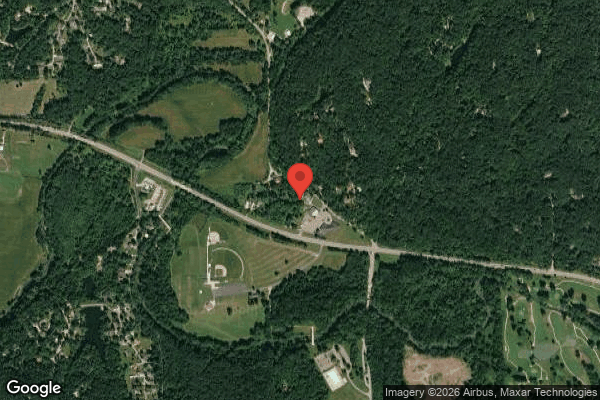
Satellite View
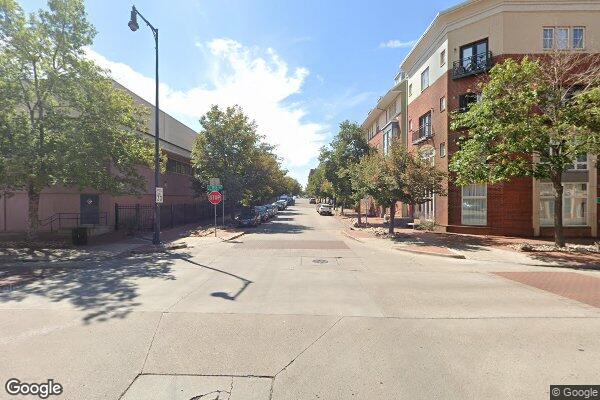
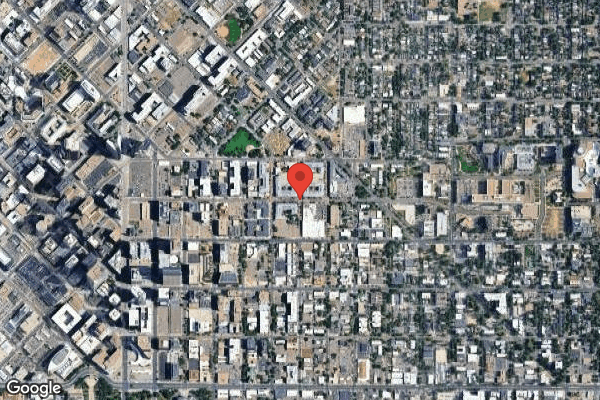
**1901 N Pearl St, Denver, CO 80203** is a residential property located in Denver's vibrant North Capitol Hill neighborhood — locally known as "Uptown" — one of the city's most walkable and culturally rich urban communities. Positioned between downtown Denver and the historic Capitol Hill district, the address sits on a bustling corridor lined with restaurants, medical offices, and entertainment venues. With a tract-level median home value of $588,200 and a neighborhood median household income of $94,517, this location represents a premium urban enclave with strong demographic fundamentals. From a buyer's perspective, this address carries significant appeal as a lifestyle purchase: high walkability, proximity to major employers and universities, a dense restaurant row on nearby 17th Avenue, and excellent solar potential at Denver's mile-high elevation. The surrounding census tract is overwhelmingly renter-occupied (80.7%), which creates strong rental income potential as a fallback or investment strategy. However, buyers should weigh several important risk factors before proceeding. The most critical concerns for a buyer are crime and natural hazard risks. North Capitol Hill ranks 8th worst out of Denver's 78 neighborhoods for violent crime per capita, a notable consideration for personal safety and long-term resale appeal. On the natural disaster front, **Denver sits squarely in "Hail Alley"** — the Front Range records the highest frequency of large hail in North America. The 2017 Denver hailstorm caused $2.3 billion in damage, and hail events are expected multiple times per season. Additionally, Denver County is an **EPA Radon Zone 1** (high-risk), meaning radon testing is strongly recommended before purchase, and the cost of radon mitigation ($800–$2,500) should be factored into negotiations. On the positive side, flood risk is minimal (only 4 NFIP claims on record for the entire 80203 ZIP since 1983, all in Zone X), wildfire risk is low for this densely urban area, air quality is excellent (AQI of 14), and seismic activity is negligible. The Denver market is transitioning toward balance, giving buyers more negotiating leverage than in recent years. For a buyer prioritizing urban lifestyle, long-term appreciation, and rental income optionality, this is a compelling location — but due diligence on crime exposure, radon testing, and hail-resistant roofing/insurance is essential.
1901 N Pearl St is a street address located in Denver's North Capitol Hill neighborhood (ZIP 80203), locally known as Uptown. The specific property type (single-family, condo, or small multifamily) could not be confirmed from available public records — detailed MLS and assessor data should be requested from the listing agent or Denver County Assessor. The surrounding block on N Pearl Street features a mix of historic Victorian and Queen Anne-style homes, brick rowhouses, and modern apartment/condo buildings, consistent with the eclectic urban fabric of Uptown Denver. The area is characterized by high walkability, 18 bicycle parking facilities within 500m, abundant dining options, and a dense cluster of medical offices. The property benefits from Denver's exceptional solar resource (elevation 1,608m, best month June) and is positioned just blocks from the city's iconic 'Restaurant Row' on East 17th Avenue. Buyers should obtain a full property disclosure, Denver County Assessor data, and a recent MLS printout to confirm physical specifications before proceeding.
Type
Multifamily/Residential (Street Address)
Range: $265,000 – $588,200
low confidenceDue to insufficient specific property data (unit type, beds/baths, sqft, year built) for 1901 N Pearl St, a precise AVM estimate cannot be provided. The valuation range is derived from comparable market data: Capitol Hill/North Capitol Hill condos range from $129,990 to $880,000, with a February 2026 median of $350,000 and average sale price of $432,463. The tract-level median home value (ACS) is $588,200, reflecting the neighborhood's full housing stock. A nearby 4BR/4BA historic home at 441 N Pearl St listed at $1,325,000 ($389/sqft) in mid-2025, while a smaller 3BR/1BA apartment unit at 551 N Pearl St was valued at approximately $396,250. Buyers must obtain a formal appraisal and review the Denver County Assessor's records for the specific property. The low confidence rating reflects the absence of confirmed unit-level property data.
Comparable Sales
441 N Pearl St, Denver, CO 80203
$1,325,000
551 N Pearl St, Denver, CO 80203
$396,250
North Capitol Hill (Uptown)
North Capitol Hill — known locally as Uptown — is one of Denver's most energetic urban neighborhoods, situated directly north of downtown and bordered by East Colfax Avenue to the north, Broadway to the west, and the historic Capitol Hill district to the south. The neighborhood is celebrated for its walkability, restaurant culture, and architectural diversity, featuring Victorian and Queen Anne-style homes interspersed with modern loft apartments and condominiums. East 17th Avenue's 'Restaurant Row' is within easy walking distance, offering dozens of dining options from casual to upscale. The neighborhood has a young, educated, overwhelmingly renter-occupied demographic (80.7% renters per census tract data) and a median age of just 31 — reflecting strong demand from young professionals and students. Nearby anchors include Kaiser Permanente, Cleo Parker Robinson Dance theater, and a dense cluster of specialty medical offices. The University of Colorado Denver is approximately 1 mile away. The neighborhood's high bike infrastructure (18 bicycle parking facilities within 500m) and proximity to Cherry Creek Trail underscore its car-optional lifestyle appeal.
Median Income
$94,517
Population
2,865
Median Age
31
Nearby Amenities
Denver Public Schools (Denver County 1) — Rating: 4/10
The North Capitol Hill neighborhood is served by Denver Public Schools (Denver County 1). The most immediately accessible public schools include Downtown Denver Expeditionary School (K-8 charter) and Emily Griffith High School, both within half a mile. Academic performance data shows average math proficiency of 29% versus the state average of 32%, and reading proficiency of 45% matching the state average — indicating mixed academic outcomes. Emily Griffith High School has an atypically low graduation rate (14%), reflecting its specialized student population. For families with higher academic priorities, East High School (rated 6/10 on GreatSchools, approximately 1.4 miles away) is a more highly regarded option within DPS. Private school options exist within a 1-2 mile radius. This neighborhood skews heavily toward young professionals without school-age children; families should thoroughly research school options before committing.
Downtown Denver Expeditionary School
Emily Griffith High School
Dora Moore ECE-8 School
East High School
Safety is a significant concern in North Capitol Hill. The neighborhood ranks 8th worst (out of 78 Denver neighborhoods) for violent crime per capita, with 13.51 violent crimes per 1,000 residents in 2025 — a rate that is substantially above both the Denver citywide average and national benchmarks. In 2025, North Capitol Hill logged 80 violent crimes through the reporting period, averaging 9.1 incidents per month. CrimeGrade assigns Capitol Hill/North Capitol Hill an overall grade of 'F', placing it in the 4th percentile for safety nationally. Notable crime types include serious assaults, robberies, and weapon threats. However, there is a silver lining: Denver's citywide violent crime rate declined significantly in 2025 compared to 2023-2024 averages, with total monthly incidents dropping from a peak of 460.9/month in 2023 to 307.8/month in 2025. Property crime has also shown improvement citywide, though burglaries in Capitol Hill rose 38% in 2024. NOTE: Crime data is sourced from DenverCrimes.com and CrimeGrade.org using Denver Police Department reports; sex offender data for Denver is not available through the DC registry (which is DC-only); buyers should check the Colorado Sex Offender Registry independently. The elevated crime rate is a material factor for buyers and should be weighed carefully, particularly for those with families.
Overall Risk: moderate
North Capitol Hill presents a moderate overall climate risk profile dominated by two key concerns: (1) RADON (Zone 1 — high risk, mandatory testing recommended) and (2) HAIL (Denver's 'Hail Alley' location creates recurrent, potentially severe property damage risk). Flood risk is minimal (Zone X, no recent claims), wildfire risk is negligible for this urban address, seismic risk is very low, and air quality is excellent. The primary insurance action item is securing comprehensive hail coverage and performing a professional radon test as part of the inspection contingency.
Flood risk for this North Capitol Hill urban address is minimal. The 80203 ZIP code has recorded only 4 NFIP claims since 1983, with zero claims in the past 5 years. Historical claims were in FEMA Zone X (minimal flood hazard). River discharge forecasts from Open-Meteo show very low values (max 0.28 m³/s) with no meaningful flood potential. Redfin/First Street data indicates approximately 13% of Capitol Hill properties face some risk of severe flooding over 30 years, but the overall trend is increasing slower than the national average. Flood insurance is not federally mandated here but may be advisable.
Wildfire risk for this dense urban address is minimal. NASA FIRMS detected 8 thermal anomalies within 50km over the past 5 days, but all had nominal (not high) confidence and were located 6-17+ miles away in outlying areas. None represent an immediate threat to this urban property. Colorado has experienced significant wildfire disasters statewide (18 fire declarations in the past 10 years), but these have been concentrated in wildland-urban interface areas like Boulder County, Larimer County, and mountain communities — not Denver's urban core. The property's position within a dense, developed urban grid significantly reduces direct wildfire exposure.
Denver experiences periodic high-wind events and chinook conditions, with gusts occasionally exceeding 50-60 mph. Current wind speeds are light (9.4 km/h). Wind is generally not a major property damage driver in this urban setting, though it can contribute to hail storm intensity. Standard homeowners insurance covers most wind damage in Colorado.
Denver's urban heat island effect, combined with climate trends, creates moderate heat risk. The 7-day forecast shows highs up to 25.4°C (77.7°F) in mid-March; summer months regularly reach 32-38°C (90-100°F). Denver averages approximately 33 days above 90°F annually, a figure projected to increase. The property's elevation of 1,608m provides some natural temperature relief compared to lower-elevation cities.
Air quality is excellent. The nearest monitoring station (CAMP, Colorado, 0.7 miles away) recorded an AQI of 14, well within the 'Good' range (0-50). Dominant pollutant is ozone (O3) at a sub-index of 13.9. PM2.5 is at 5 μg/m³ — well below EPA standards. Denver occasionally experiences elevated ozone days in summer and can have winter inversions trapping pollution, but year-round air quality is significantly better than many major US cities. No EPA TRI facilities operate in the 80203 ZIP code.
Seismic risk is negligible. USGS recorded only 1 earthquake within 50km over the past year — a magnitude 2.7 event on June 13, 2025, located 7km SE of Erie, CO, at 8.9km depth. No moderate or significant events occurred. Denver and the Front Range are not situated on major active fault systems, though some induced seismicity has been associated with oil and gas operations in the northeast. For this urban address, earthquake risk requires no special construction or insurance considerations.
Colorado faces chronic drought conditions, particularly affecting water supply and wildfire risk statewide. The Front Range has experienced multi-year drought cycles that stress urban water systems and increase fire danger in surrounding open lands. Denver Water has implemented tiered water pricing and conservation programs. For residential buyers, drought primarily affects landscaping costs and outdoor water use rather than direct property damage risk.
Insurance Considerations
Insurance costs in this neighborhood are significantly shaped by three factors: (1) HAIL — Denver sits in 'Hail Alley' and experiences 3-4 catastrophic hailstorms annually. The 2017 Denver hailstorm alone caused $2.3 billion in damage. Buyers should expect elevated homeowners insurance premiums reflecting this risk, and should verify their policy covers hail damage with reasonable deductibles. Consider class 4 impact-resistant roofing materials which can reduce premiums by 20-30%. (2) RADON — Zone 1 designation means radon mitigation may be required or highly advisable, adding $800-$2,500 to acquisition costs. (3) FLOOD — Zone X designation means flood insurance is NOT federally required and historical claims are minimal; however, optional coverage through NFIP costs as little as $400/year and is worth considering. No earthquake insurance is needed. Request a full insurance quote before closing, as Colorado hail risk has caused several major insurers to exit or limit coverage in the state.
The Capitol Hill/North Capitol Hill condo market in early 2026 shows notable price softening versus prior years. As of February 2026, the median home price in Capitol Hill was $350,000, with an average sale price of $432,463 — condos are spending an average of 78 days on market, up from 52 days a year ago. Redfin data shows Capitol Hill home prices were down 29.6% year-over-year in January 2026, though this figure likely reflects a mix shift toward smaller/less expensive units. Denver overall remains a somewhat competitive market with a median closed price of approximately $561,000 citywide (+1.8% YoY) and about 28% of homes selling above list price. For the condo segment in Capitol Hill specifically, buyers currently have more negotiating leverage. The broader Denver market is transitioning toward balance, with active listings up 14% YoY and homes staying on market longer. Forecast for 2026: modest price growth of 1-3% for the broader Denver metro, with the condo segment potentially lagging single-family. Note: The dramatic -29.6% figure likely reflects compositional changes in sales mix rather than true value decline; the tract-level ACS median home value of $588,200 suggests underlying values remain strong.
Median Price
$350,000
1-Year Change
-29.6%
Median Days on Market
78
Market Type
balancedForecast
Modest appreciation of 1-3% expected for 2026. Denver's market is normalizing after years of explosive growth. Capitol Hill/North Capitol Hill condo segment may see flat-to-slightly-declining conditions given elevated inventory and longer days on market, but well-priced units continue to attract buyers.
At current Capitol Hill market conditions, the investment case for a purchase at 1901 N Pearl St is primarily driven by strong rental demand and lifestyle value rather than near-term capital appreciation. The neighborhood's 80.7% renter occupancy, proximity to multiple universities, and walkability make it well-suited for a buy-and-hold rental strategy. One-bedroom rents of approximately $1,850/month in Capitol Hill provide a reasonable income stream, though exact yield metrics depend heavily on the purchase price and specific unit characteristics (which require confirmation). The Denver rental market remains tight with a 4.2% vacancy rate declining. However, the condo segment is showing price softness in early 2026, and the elevated crime profile in North Capitol Hill is a meaningful risk factor. Buyers should model a hold period of at least 5-7 years to capture Denver's long-term appreciation trend. Radon testing and hail insurance review are non-negotiable pre-close requirements.
Est. Monthly Rent
$1,850
Vacancy Rate
4.2%
Pros
- + Strong rental demand: 80.7% of census tract households are renters, creating deep and consistent tenant pool
- + Proximity to University of Colorado Denver, MSU Denver, and Community College of Denver drives student/young professional rental demand
- + Excellent walkability (Walk Score ~95) and bike infrastructure supports car-free lifestyle premium
- + Capitol Hill 1BR apartments average $1,850/month; 2BR units command $2,200-$2,700/month
- + Denver vacancy rate of 4.2% in Q1 2025, declining — indicating tight rental market
- + Low wildfire and flood risk reduces insurance complexity relative to many Colorado markets
- + Exceptional solar potential (1,469 kWh/year per kWp) — solar investment can offset utility costs
- + No EPA TRI industrial facilities in ZIP code — clean environmental profile
- + Denver's long-term population and job growth trajectory supports appreciation fundamentals
Cons
- - North Capitol Hill ranks 8th worst in Denver for violent crime per capita — potential headwind for resale and tenant quality
- - EPA Radon Zone 1: mandatory testing and potential $800-$2,500 mitigation cost at purchase
- - Denver sits in 'Hail Alley' — expect elevated homeowners insurance premiums and recurring roof/exterior maintenance costs
- - Condo market showing price softening (-29.6% YoY in Capitol Hill per Redfin Jan 2026 data) — near-term appreciation uncertain
- - High renter-occupancy ratio (80.7%) may limit HOA financial stability in condo buildings and reduce owner-occupant community stability
- - Parking is limited and at a premium in this neighborhood — lack of dedicated parking reduces property appeal
- - Crime trajectory in North Capitol Hill: violent crime rate rising (from 9th to 8th worst in Denver rankings)
- - Denver's elevated overall crime rate (ranked worse than 91% of US cities) may affect long-term desirability
Denver sits squarely in the center of 'Hail Alley' — the region along the eastern slope of the Rocky Mountains that records the highest frequency of large hail in North America and among the highest in the world. For any buyer at 1901 N Pearl St, understanding this risk is not optional — it is essential to protecting your investment.
Why Denver Gets Hit So Hard
- Denver's elevation of 5,280 feet allows freezing levels to persist even in summer, helping hailstones maintain their size as they fall
- Warm, moist air from the eastern plains collides with cooler air masses descending from the Rockies, creating ideal hailstorm conditions
- The Front Range geography acts as a funnel for severe convective storms during late spring and summer
The Track Record: A Costly History
- May 8, 2017: The costliest hailstorm in Colorado history — baseball-sized hail hit the west side of Denver, causing $2.3 billion in damage and over 300,000 insurance claims. This event ranks as the 2nd most expensive hailstorm in US history.
- July 18-19, 2018: Northern Denver, Boulder, and Fort Collins were hit with golf ball to baseball-sized hail, causing widespread residential and commercial damage
- May 2024: Another devastating storm caused nearly $2 billion in damages across the Colorado metro area
- Over the past 10 years, hailstorms have caused more than $5 billion in insured losses in Colorado alone
Frequency: This Is an Annual Occurrence
- Denver has had 197 on-the-ground hail reports by trained spotters and has been under severe weather warnings 45 times in the past 12 months
- Doppler radar has detected hail near Denver on 177 occasions total, including 12 occasions in the past year
- Colorado residents typically face 3 to 4 catastrophic hailstorms per year, each causing at least $25 million in insured damage
- Hail season runs mid-April through mid-September, with June being the peak month
Property-Specific Risks
- Roof damage: shingles can be cracked, dented, or stripped of granules, leading to leaks and accelerated aging
- Gutters, downspouts, and siding: high vulnerability to denting and puncturing
- Windows and skylights: risk of cracking or shattering during severe events
- HVAC and solar panels: exposed rooftop equipment is particularly vulnerable
Buyer Action Items
- Request hail damage history: Ask the seller for any prior insurance claims related to hail; obtain a professional hail history report for the address
- Roof inspection is mandatory: Hire a hail-certified inspector (HAAG certified preferred) to assess current roof condition; hail damage can be invisible to untrained eyes
- Review insurance policy carefully: Verify your homeowners policy covers hail damage and review the deductible structure — many Colorado insurers now use percentage-based hail deductibles (e.g., 1-2% of dwelling value) rather than flat deductibles
- Consider Class 4 impact-resistant roofing: If a roof replacement is needed, Class 4 materials can reduce insurance premiums by 20-30% and provide superior protection
- Budget for recurring maintenance: Even with good insurance, expect ongoing roof inspection costs of $150-$300/year and eventual replacement cycles potentially accelerated by hail damage
| Event | Year | Estimated Damage | Hail Size |
|---|---|---|---|
| Denver Metro Hailstorm | 2017 | $2.3 billion | Baseball-sized |
| Northern Denver/Boulder Storm | 2018 | $500M+ (est.) | Golf ball to baseball |
| Denver Metro Hailstorm | 2024 | ~$2 billion | Large (multiple reports |
| Annual Average (statewide) | Ongoing | $500M+ annually | 1"–2"+ common |
Given the buyer's specific request to understand flood zones and wildfire proximity, this section provides a detailed breakdown of both risks for 1901 N Pearl St.
Flood Zone Analysis
FEMA Flood Zone: X (Minimal Flood Hazard)
This property falls within FEMA Flood Zone X, indicating it is outside the Special Flood Hazard Area (SFHA). Zone X means the property is not subject to the 1% annual chance (100-year) flood event. Key data points:
- NFIP Claims (ZIP 80203): Only 4 total claims have ever been filed in this ZIP code, with a combined payout of $16,367 (average $4,092 per claim). The most recent claim was in 2018; zero claims in the past 5 years
- Flood insurance: Not federally mandated (no government-backed mortgage requirement)
- Flood zone breakdown of claims: 2 in Zone X, 2 unknown — no claims from high-risk zones
- River discharge: Open-Meteo flood risk data shows maximum river discharge of 0.28 m³/s — extremely low, posing no flood threat
- First Street / Redfin data: Approximately 13% of Capitol Hill properties face some risk of severe flooding over 30 years, though this risk is increasing slower than the national average
Front Range Flood Context: While this specific property has minimal flood risk, buyers should be aware that Colorado's Front Range faces flash flooding risks from intense thunderstorms, particularly during July-August monsoon season. Wildfire burn scars in mountain areas can dramatically increase downstream flash flood risk. The property's urban location on N Pearl St (not adjacent to any creek or drainage channel) further reduces exposure.
Recommendation: Flood insurance is not required and given the minimal historical claims, may not be cost-justified. However, at NFIP rates as low as $400/year, optional coverage is inexpensive peace of mind.
Wildfire Proximity Analysis
Urban Location = Minimal Direct Risk
The property's position within Denver's dense urban core provides substantial natural firebreak protection. Key findings:
- NASA FIRMS (5-day scan): 8 thermal anomalies detected within 50km — all at nominal confidence (not high confidence), all located 6-17+ miles away in suburban/exurban areas. None represent a threat to this property
- No high-confidence fire detections within 50km in the past 5 days
- The nearest detections appear to be agricultural burns or industrial heat signatures in Denver's eastern and southeastern suburbs
Colorado Wildfire Context: Colorado has experienced 18 fire disaster declarations in the past 10 years, but these have consistently been in wildland-urban interface (WUI) communities — Boulder County (Marshall Fire 2021, Calwood Fire 2020), Larimer County, Garfield County, etc. Urban Denver has not been directly threatened.
Key Wildfire Risk Factors That DO Apply:
- Smoke events from distant fires can temporarily elevate Denver's AQI (which is normally excellent at AQI 14)
- Wildfire seasons statewide are intensifying with climate change, creating indirect risks (water supply stress, smoke health impacts)
- Property owners in suburban/foothills areas within the same metro are at meaningful risk
Recommendation: No wildfire-specific insurance riders are needed for this urban address. The minimal direct risk is well within standard homeowners policy coverage.
| Risk Category | Level | FEMA Zone | Insurance Required? | Key Data |
|---|---|---|---|---|
| Flood | Minimal | Zone X | No | 4 NFIP claims since 1983; 0 in past 5 yrs |
| Wildfire | Minimal | N/A | No (standard coverage sufficient) | No high-confidence FIRMS detections within 50km |
| Hail | High | N/A | Yes (verify coverage) | 'Hail Alley'; 197 spotter reports in past year |
| Radon | High | EPA Zone 1 | N/A (test required) | ≥4 pCi/L predicted; mandatory testing before closing |
Denver County is classified as EPA Radon Zone 1 — the highest risk designation. This is one of the most actionable and important findings for any buyer at this address.
What is Radon?
Radon is a naturally occurring, colorless, odorless radioactive gas produced by the decay of uranium in soil and rock. It seeps through foundation cracks and openings into buildings. It is the second leading cause of lung cancer in the United States, responsible for approximately 21,000 deaths annually according to the EPA.
Why Denver?
Colorado's geology features uranium-bearing granitic soils — particularly along the Front Range and Front Range piedmont. This is why Denver County, and much of Colorado's Front Range, is classified as Zone 1 (predicted average indoor levels ≥ 4 pCi/L, the EPA's action level).
What This Means for the Buyer
- Any below-grade space (basement, ground-floor unit) is at elevated risk
- Even upper-floor units in multifamily buildings can have elevated radon if building ventilation is inadequate
- Radon testing is a standard part of Colorado real estate transactions and should be a contractual inspection contingency
Buyer Action Plan
- Include a radon contingency in your purchase agreement — standard 48-hour closed-house test (using a certified short-term test kit or professional)
- If levels exceed 4 pCi/L: Negotiate mitigation as a seller concession or price reduction
- Mitigation cost: Typically $800–$2,500 for a sub-slab depressurization system; once installed, systems are highly effective (typically reduces levels by 80-99%)
- Post-mitigation testing: Verify levels are below 4 pCi/L (ideally below 2 pCi/L) before closing
- For multifamily: Request building-wide radon testing records from the HOA or property manager
| EPA Zone | Risk Level | Predicted Indoor Level | EPA Recommendation |
|---|---|---|---|
| Zone 1 (Denver County) | HIGH | ≥ 4 pCi/L | Test before purchase; mitigate if elevated |
| Zone 2 | Moderate | 2–4 pCi/L | Test recommended |
| Zone 3 | Low | < 2 pCi/L | Test still advisable |
Because the specific property type and listing price for 1901 N Pearl St could not be confirmed from available public records, the table below provides a scenario-based cost model for a buyer using a typical Capitol Hill condo purchase. Buyers should update these figures with confirmed property data.
Assumptions: $400,000 purchase price (near Capitol Hill median of $432,463), 20% down payment ($80,000), 30-year fixed mortgage at ~6.8% (current market rate estimate), Denver/Colorado tax rates.
Key Denver-Specific Cost Factors
- Hail insurance premium surcharge: Expect 15-30% higher homeowners insurance costs versus national average due to Colorado hail risk. Budget $1,800–$3,500/year for homeowners insurance
- Radon mitigation: One-time cost of $800–$2,500 if testing indicates elevated levels (likely in Zone 1)
- HOA fees: Capitol Hill condos typically carry HOA fees of $200–$500/month; verify with building
- Property tax: Denver's effective property tax rate is approximately 0.51% of assessed value — relatively low by national standards
- Parking: If dedicated parking is not included, expect $75–$200/month for nearby garage parking
| Cost Item | Monthly Estimate | Annual Estimate | Notes |
|---|---|---|---|
| Mortgage (P&I, $320K @ 6.8%) | $2,085 | $25,020 | 80% LTV, 30-yr fixed |
| Property Tax (0.51% of $400K) | $170 | $2,040 | Denver effective rate |
| Homeowners Insurance | $200 | $2,400 | Includes hail; get multiple quotes |
| HOA Fee (estimate) | $300 | $3,600 | Verify with building; wide range |
| Maintenance Reserve (1% of value) | $333 | $4,000 | Higher due to hail exposure |
| Radon Mitigation (one-time) | — | $800–$2,500 | If needed post-testing |
| Total Monthly (excl. radon) | ~$3,088 | ~$37,060 | Before tax deductions |
| Less: Rental Income (if leasing) | –$1,850 | –$22,200 | Capitol Hill 1BR average rent |
Excellent digital infrastructure is one of the less-discussed but increasingly important attributes for remote workers, investors, and residents considering this address.
Census Tract Broadband Stats (ACS 2023)
- 94.3% of households have broadband internet — above the Denver County average of 92.2%
- 83.8% have cable, fiber optic, or DSL — above the county average of 81.8%
- Only 2.6% of households have no internet access — well below the county average of 4.3%
- 94.7% of households have a computing device
This well-connected neighborhood is ideal for remote workers and digital professionals. Multiple internet service providers serve the 80203 ZIP code, including Xfinity (Comcast cable), CenturyLink/Lumen (DSL/fiber), and various mobile providers with strong 5G coverage.
Solar Energy Potential
Denver's elevation of 1,608m and 300+ days of sunshine annually create excellent rooftop solar conditions:
- NREL data shows a Global Horizontal Irradiance (GHI) of 4.83 kWh/m²/day annually
- A 1 kWp system tilted at latitude produces approximately 5.85 kWh/m²/day on average
- Best months: June-July (7.4+ kWh/m²/day direct normal irradiance)
- A modest 5 kWp system could produce approximately 7,300-8,000 kWh/year — enough to offset 60-80% of a typical 1-2BR unit's electricity consumption
- Note: Solar viability depends on building type, roof access/ownership, and HOA rules for condo units
Like what you see?
Get a personalized property intelligence report for any address.
Get your own reportCompare with other cities
Get Your Own Property Report
Comprehensive AI-powered due diligence for any property in the US. Valuation, safety, schools, climate risk, market trends, and more.